Activated Carbon for H2S Filtration
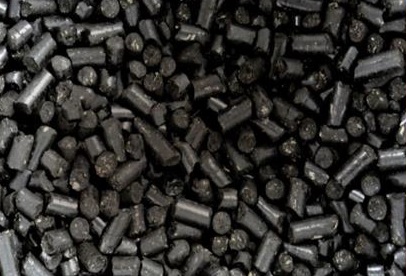
Activated carbon is a porous material with a vast surface area and is widely used for various adsorption processes.
Impregnation involves treating activated carbon with specific chemical agents, enhancing its adsorption capacity and selectivity for target pollutants, like H2S removal from biogas.
Biogas Upgrading: Removing H2S is crucial for upgrading biogas to biomethane, a high-quality fuel that can be injected into natural gas grids;
Odor Control: H2S is responsible for the unpleasant odor associated with biogas. IAC effectively eliminates this odor, improving environmental acceptability;
Corrosion Prevention: Hydrogen sulfide (H2S) is a highly corrosive compound that significantly impacts the longevity and performance of equipment, particularly in biogas cogeneration systems. Leading biogas engine manufacturers, such as INNIO Jenbacher and MWM, have stringent guidelines for H2S levels in biogas fuel, typically establishing a maximum limit of 100 ppm or less.
A continuous increase in H2S concentration within the flue gas can initially manifest as minor issues, such as reduced oil change intervals and damage to gas train components. However, these issues can escalate rapidly, ultimately leading to critical damage to the engine's pistons and cylinders.
We offer our clients access to a diverse selection of activated carbons sourced from different European manufacturers. These carbons have varying parameters, determined by the degree of impregnation and the choice of impregnation agent, which can include Potassium Hydroxide (KOH) or Potassium Iodide (KI).
A higher degree of impregnation enhances the activated carbon's capacity to adsorb larger volumes of H2S, extending replacement intervals. However, increased impregnation generally results in a higher cost. Therefore, we collaborate closely with our clients to identify the most optimal solution for their specific plant needs.
To ensure the most effective activated carbon treatment for a given biogas plant, the following biogas key parameters must be clearly defined:
- Flow (cubic meters per hour).
- Composition.
- Moisture content.
- H2S concentration.
- Desired H2S concentration after filtration.
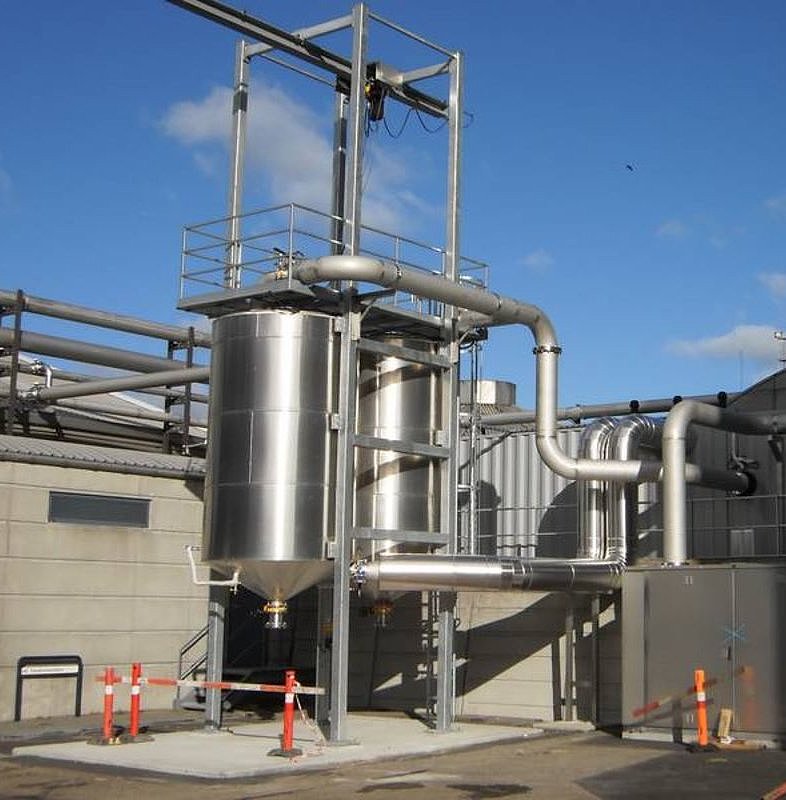
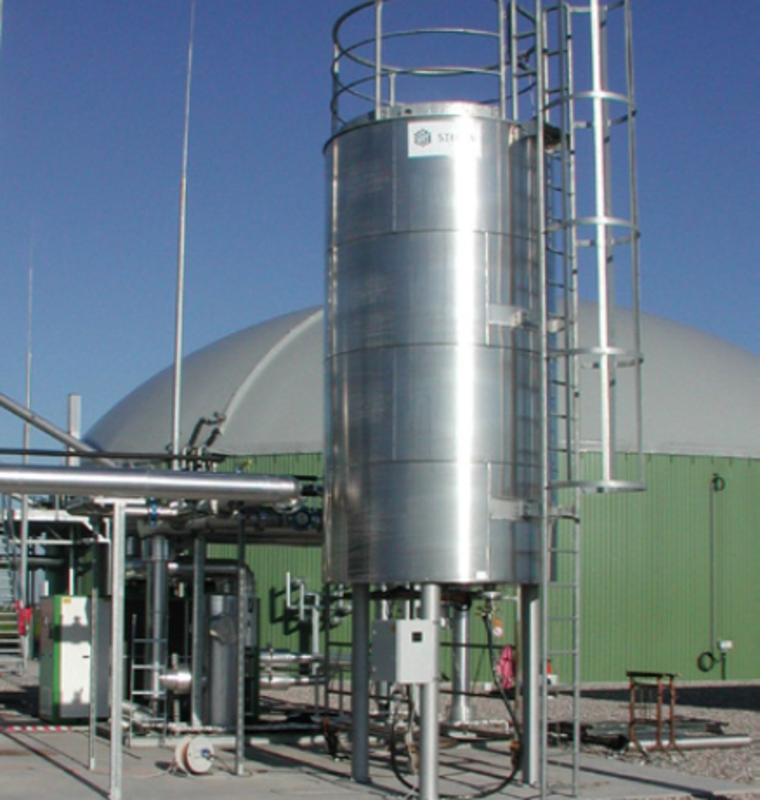
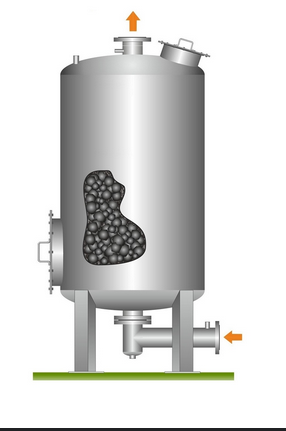
If no filter system is present at the plant, we can assist with the delivery and installation of appropriate filtration units –larger filter volume means longer replacement intervals of the activated carbon.